
6 Best Foods to Support Circulation with Peripheral Artery Disease (PAD)
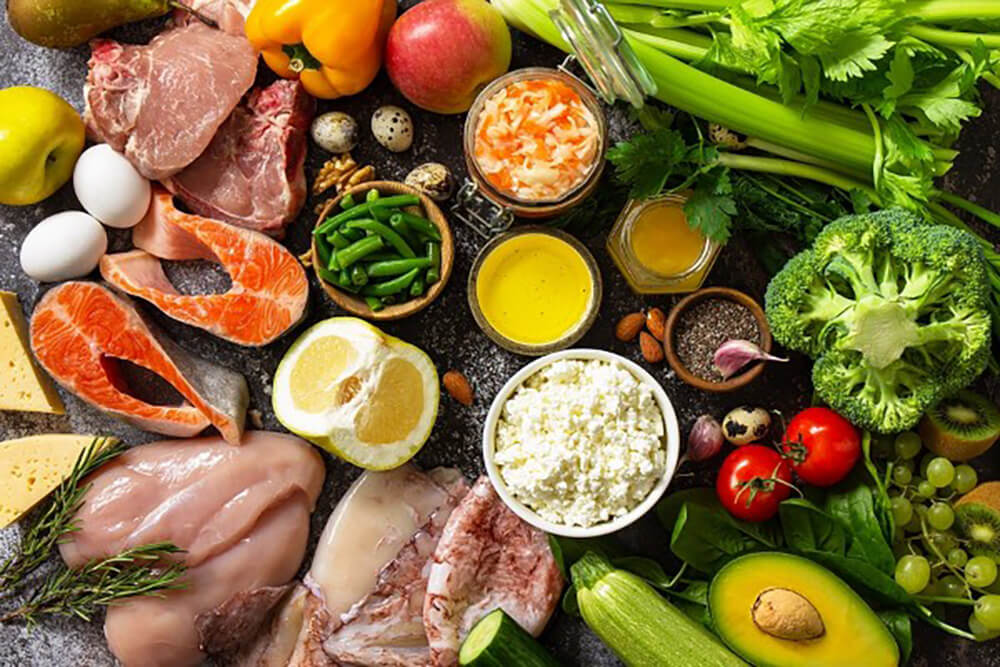
Peripheral artery disease (PAD) is a common, progressive vascular condition where narrowed or blocked arteries restrict blood flow to the limbs—most frequently the legs. This reduced circulation can lead to noticeable discomfort, including leg pain, numbness, cramping, and difficulty walking (a symptom known as claudication).
In the United States alone, PAD affects roughly 8.5 million adults over the age of 40.
While medical interventions, daily walking programs, and smoking cessation remain critical pillars of PAD management, what you put on your plate matters just as much. Adopting a heart-healthy diet can help manage inflammation, keep cholesterol levels in check, and slow the progression of arterial blockages.
Here are six nutrient-dense foods that support vascular health and encourage better blood flow.
- Colorful Fruits and Vegetables
Brightly colored produce like spinach, berries, bell peppers, and citrus fruits are rich in essential vitamins, minerals, and polyphenols.
- Why they help: Antioxidants combat oxidative stress and systemic inflammation—two primary drivers of plaque buildup within blood vessel walls.
- Pro tip: Aim for a “rainbow” on your plate to ensure a broad spectrum of cellular-protective compounds that preserve vascular elasticity.
- Fiber-Rich Whole Grains
Swapping refined carbs for whole grains like oats, quinoa, brown rice, and barley provides steady energy and high doses of dietary fiber.
- Why they help: Soluble fiber acts like a sponge in the digestive system, binding to cholesterol before it enters the bloodstream. Lowering overall LDL (“bad”) cholesterol directly reduces the risk of further arterial plaque accumulation.
- Fatty Fish (Omega-3s)
Cold-water fish such as salmon, mackerel, sardines, and tuna are premier sources of eicosapentaenoic acid (EPA) and docosahexaenoic acid (DHA)—two essential omega-3 fatty acids.
- Why they help: According to research highlighted by the Harvard T.H. Chan School of Public Health, omega-3s help reduce blood vessel inflammation, lower triglyceride levels, and decrease the risk of dangerous blood clots that compromise limb circulation.
- Nuts and Seeds
Walnuts, almonds, chia seeds, and flaxseeds pack a powerful nutritional punch of plant-based protein, healthy fats, and magnesium.
- Why they help: Magnesium helps blood vessels relax and dilate, while unsaturated fats improve lipid profiles. Clinical reviews show regular nut consumption supports overall endothelial function (the inner lining of your blood vessels).
- Extra Virgin Olive Oil
A cornerstone of the Mediterranean diet, extra virgin olive oil is rich in monounsaturated fats and powerful anti-inflammatory compounds like oleocanthal.
- Why it helps: Replacing butter or margarine with olive oil helps improve serum lipid levels and guards blood vessel walls against oxidation, supporting smoother vascular flow.
- High-Cocoa Dark Chocolate
Yes, dark chocolate can be part of a vascular-friendly routine! Look for options containing at least 70% cocoa or cacao.
- Why it helps: Dark chocolate is rich in cocoa flavonoids. Research from Northwestern University indicates these flavonoids stimulate nitric oxide production in the endothelium, helping blood vessels relax and temporarily improving walking distance in PAD patients.
- Keep in mind: Stick to small portions (1 oz daily) low in added sugars to maximize the vascular benefits without unnecessary calories.
What Foods Should You Limit with PAD?
While adding circulation-promoting foods is crucial, reducing intake of foods that aggravate plaque formation is equally important:
- Trans and Saturated Fats: Found in fried foods, fatty cuts of meat, and commercial baked goods; these raise LDL cholesterol.
- Excess Sodium: High salt intake increases blood pressure, straining already narrowed blood vessels.
- Added Sugars: High-sugar diets contribute to systemic inflammation and higher risks of type 2 diabetes—a primary accelerator of PAD.
Taking a Comprehensive Approach to Vascular Health
Nutrition works best when combined with broader lifestyle and medical care:
- Supervised Exercise: Structured walking programs encourage the growth of collateral blood vessels (small natural “bypasses” around blocked arteries).
- Routine Vascular Diagnostics: Non-invasive tests—such as an Ankle-Brachial Index (ABI) exam—allow physicians to evaluate arterial pressure and track circulation improvements over time.
Note: Always consult your physician or a registered dietitian before making significant adjustments to your diet or exercise regimen, especially if you take blood thinners or blood pressure medications.
https://coastalvascular.net/reduces-getting-pad/
https://www.ontoorthopedics.com/bone-bytes/whole-grains-and-heart-health/
https://www.ncbi.nlm.nih.gov/pmc/articles/PMC6356931/
https://medicine.yale.edu/news-article/olive-oil-and-heart-health/